
Recovery & Wellness
Why More Post-Surgical Patients Are Adding Ayurveda to Recovery
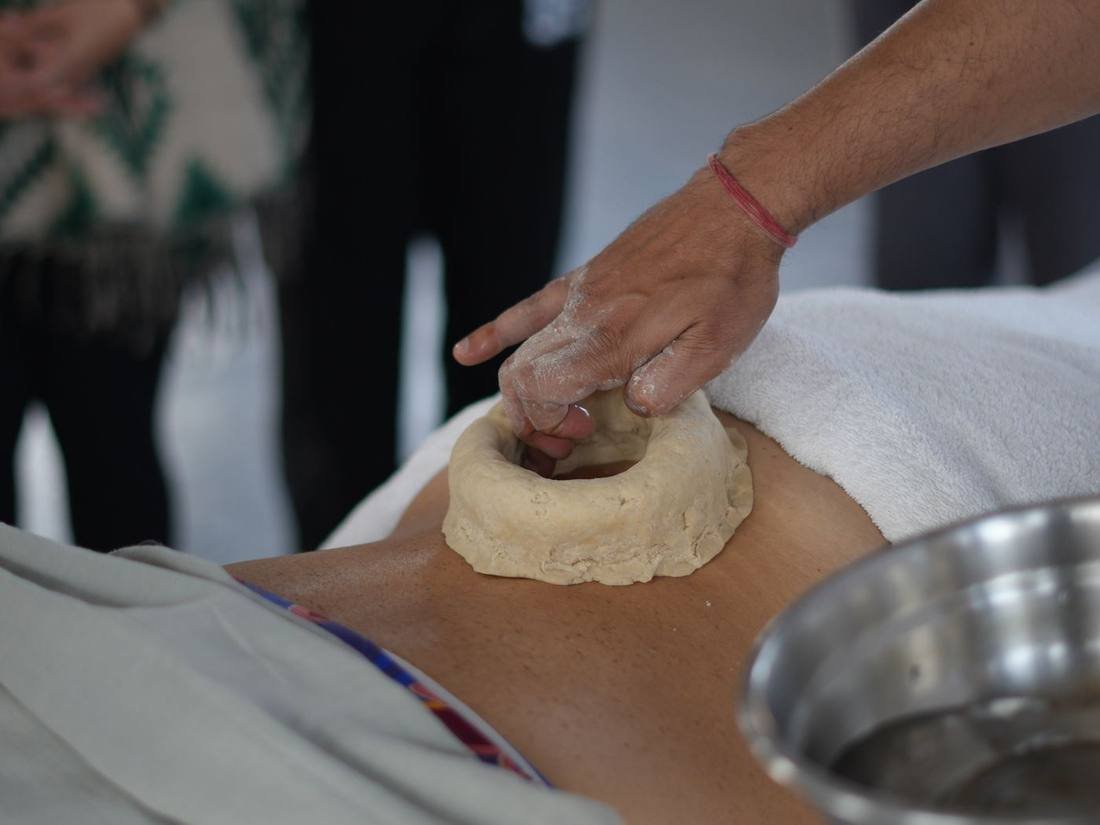
Ask most patients what they remember about surgery abroad, and it's rarely the operation itself — it's the discharge. Hospital recovery wards are built for medical safety, not for the slow, unglamorous work of actually healing. That gap is a big part of why a supervised Ayurvedic recovery stay has become such a common second half of a treatment plan for international patients coming to India.
What Ayurvedic recovery actually involves
At a properly run recovery centre, this isn't a spa holiday. A typical stay is built around a few consistent elements:
- Herbal oil therapies suited to your specific procedure — for example, joint-focused therapies after orthopedic surgery, or gentler, circulation-supporting treatments after cardiac surgery;
- A structured, procedure-appropriate diet, prepared fresh and adjusted to what your treating doctor has advised;
- Guided physiotherapy and gentle movement, particularly important after joint or bariatric surgery;
- An enforced slower pace — regular sleep, no work pressure, structured rest — which is harder to get at home than it sounds.
What it can realistically help with
The honest case for pairing Ayurveda with post-surgical recovery isn't that it replaces modern medicine — it's that structured rest, guided movement, and consistent nutrition are genuinely useful during recovery, and a dedicated recovery centre delivers all three far more reliably than going straight home to work, family responsibilities, and an unsupervised routine.
What it isn't
It's worth being direct about this: Ayurvedic therapies are not a substitute for your prescribed medication, your surgeon's follow-up appointments, or emergency medical care if something goes wrong. A responsible recovery centre coordinates with your treating hospital rather than working in isolation — which is exactly why we only work with centres that have a resident or on-call physician and a clear process for handling any post-surgical complication.
Why Kerala and the Himalayas specifically
Kerala's Ayurvedic tradition is centuries old and the state has built real medical infrastructure around it — resident physicians, trained therapists, and a supply chain for authentic herbal preparations that's hard to replicate elsewhere. The Himalayan foothills around Rishikesh offer a different but related option, often better suited to patients who want a quieter, more meditative setting for longer wellness or chronic-pain-focused programmes.