
Visa & Travel
India's Medical Visa, Explained: A Step-by-Step Guide
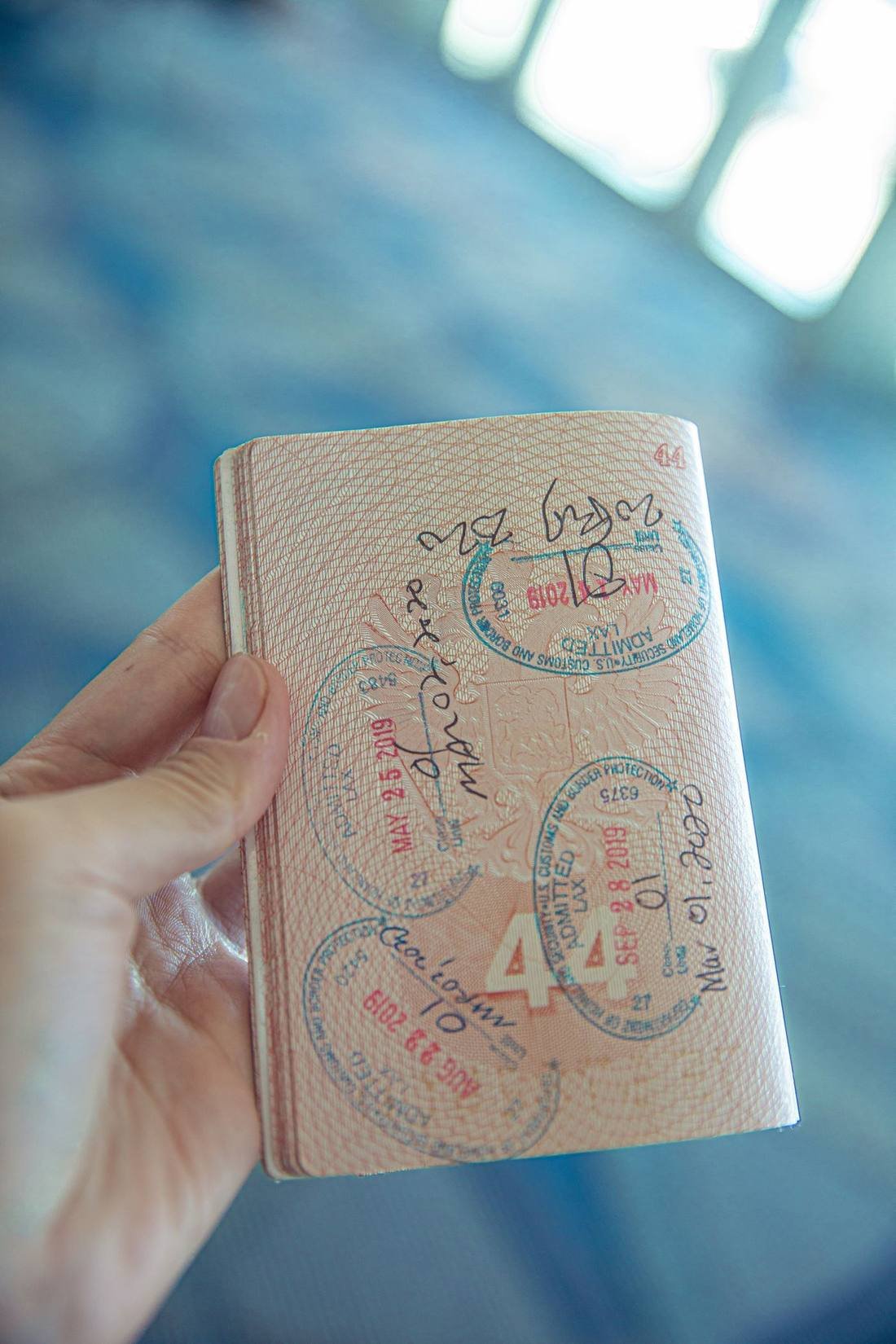
If you're planning to travel to India for treatment, the visa process is usually the first practical hurdle — and also the one families worry about most. Here's how it actually works, in plain terms.
Do you need a Medical Visa?
If the primary purpose of your trip is medical treatment, India requires a dedicated Medical Visa (M-Visa) rather than a standard tourist visa. This applies whether you're coming for a single procedure or a longer course of treatment. Travelling on a tourist visa for treatment purposes can create complications with the hospital's own admission process and with immigration on arrival, so it's worth getting this right from the start.
What about the person travelling with you?
India issues a separate Medical Attendant Visa (MX-Visa) for one companion accompanying a patient — typically a spouse or close family member. The attendant's MX-Visa application is linked to your M-Visa application.
The hospital invitation letter
This is the part most patients don't expect: your Medical Visa application needs a formal invitation letter from the treating hospital in India, usually on the hospital's letterhead, confirming the proposed treatment. This is why the visa process can't really start until a hospital has reviewed your case and agreed to treat you — it isn't just a travel formality, it's tied to an actual treatment plan.
Documents you'll typically need
- A passport valid for at least six months from your date of travel
- The hospital's invitation/recommendation letter
- A letter from a doctor in your home country describing your condition, where applicable
- Passport-size photographs meeting Indian visa specifications
- Proof of sufficient funds to cover your stay and treatment
- For attendants: proof of relationship to the patient (marriage or birth certificate, as applicable)
How long does it take?
Processing time varies by country and consulate, but it's sensible to allow at least two to three weeks between receiving your hospital invitation letter and your planned travel date. For urgent cardiac or other time-sensitive cases, some Indian missions offer expedited processing — your hospital's international patient desk can usually advise on this.
Extending your visa if treatment runs longer
If your recovery or treatment takes longer than expected, M-Visas can generally be extended from within India through the Foreigner Regional Registration Office (FRRO), usually with a supporting letter from the treating hospital confirming ongoing care is required.
Where Global India Medical Assistance Health fits in
We coordinate directly with your treating hospital to get the invitation letter issued once your treatment plan is confirmed, and talk you through the application checklist for your specific country. We don't process or issue visas ourselves — that decision always rests with the Indian consulate or embassy handling your application.